Losing Deals to Cheaper Competitors? The Problem Is Your Value Story.
You’re Not Losing on Product. You’re Losing Because Buyers Can’t See Why You’re Worth More.
It’s one of the most infuriating losses in B2B sales. You have the better product. You have the track record. You have the references. And you lose to a competitor who charges half as much and delivers a fraction of the value.
What happened? Your value story didn’t survive the buyer’s internal evaluation.
When Value Isn’t Clear, Price Wins by Default
Buyers don’t choose the cheapest option because they’re naive. They choose it because they couldn’t build a confident internal case for the premium alternative. When your differentiated value isn’t tangible, memorable, and easy to communicate to a committee of stakeholders, price becomes the tiebreaker.
And here’s the brutal truth: by the time a buyer is comparing you to a cheaper alternative, you’ve already lost the value conversation. The damage happened earlier — in the self-directed research phase, in the demo that didn’t connect, in the follow-up content that looked like everyone else’s.
Differentiation that lives only in your pitch deck doesn’t survive the handoff to the buying committee. It needs to be experienced, not described.
Make Your Premium Price Feel Obvious, Not Defensive
See How Kaon Makes Value Clear →
The companies that consistently win against cheaper alternatives don’t spend more time justifying their price. They spend more time making their value undeniable. Interactive, personalized experiences that show buyers — concretely, visually, compellingly — what life looks like with your solution versus without it.
When a buyer can see the ROI, feel the difference, and articulate the value in their own words to their own stakeholders, the price conversation changes entirely. You’re not defending a number. You’re confirming an obvious decision.
Make Your Differentiation Impossible to Miss.
See how leading B2B companies use interactive experiences to make complex value clear, tangible, and memorable.
“Kaon makes your value so clear, ‘they’re cheaper’ stops being a reason to lose.“
The Numbers Don’t Lie
Explore Our Insights
blog
news
Stop Shipping Metal: Bring Your Products to Life – Without the Crates, Risk, or Stress
Featured in Exhibitor Magazine

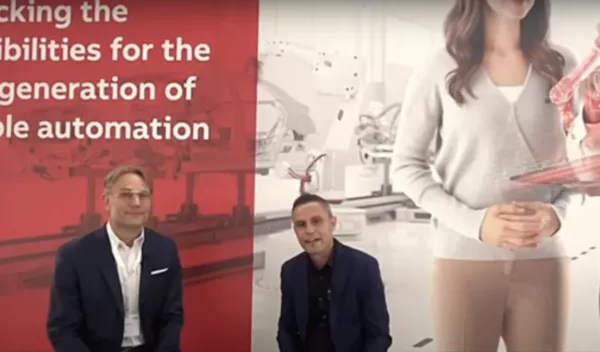


Evolving an EBC to a CIC
Featured in The B2B Engagement Podcast
news

FAQ
Buyers default to lower-cost options when they can’t clearly articulate — or internally defend — the premium value of a more expensive solution. The problem is rarely the price itself. It’s the inability to make the value story stick across a complex buying group.
Through personalized, interactive experiences that make your value tangible and specific to the buyer’s context. Abstract claims about being “best in class” don’t move buyers. Concrete demonstrations of specific outcomes — in their language, for their situation — do.
A value-selling experience is an interactive, personalized digital engagement that connects your solution’s capabilities directly to a buyer’s specific challenges and desired outcomes. Unlike static demos or presentations, value-selling experiences are built to be explored, remembered, and shared internally.
The “Mega-Show” is no longer the only way to build a pipeline. Micro-events and Virtual Briefing Centers (VBCs) offer higher engagement at a fraction of the cost.
- Autonomous Micro-Events: 58% of event teams now prioritize small, repeatable in-person gatherings (under 200 attendees) for deeper networking
- Always-On VBCs: Instead of a three-day booth, a Virtual Briefing Center provides a 24/7 destination where global stakeholders can engage with interactive product stories.
- Digital Sales Rooms: Use curated digital spaces to house demos, case studies, and ROI calculators, allowing the buying committee to self-educate asynchronously.
Floor space is expensive. To show a full catalog in a 10×10 footprint, you must shift from inventory to immersion.
- Modular Narrative Design: Modern booths are designed as “storytelling journeys” rather than static displays. Use one physical focal point surrounded by interactive touchpoints.
- Micro-Experiences: Leading exhibitors in 2026 use hands-on digital demos that visitors can film and share.
- Virtual Endless Aisle: Use a large-format touchscreen or VR station to let visitors “teleport” through your entire product line, even if you only have one physical unit on site.
The biggest ROI leak is the “post-show silence.” Digital demos ensure the conversation continues long after the booth is dismantled.
- Automated Nurture: Link booth interactions (like a specific 3D model explored) to your CRM. The follow-up email should include a direct link to that exact demo for the buyer to share internally.
- The “Digital Hub” Model: Transform your booth experience into a year-round digital marketplace for continuous exposure.
- Content Repurposing: Capture interactions and AI-driven “What-if” questions at the event to create social snippets, LinkedIn recaps, and FAQ sections.
In 2026, the “Hybrid” label has vanished because all events are now digitally augmented.
- AI-Driven Personalization: Personalized platforms allow a booth visitor to enter their specific industry or role, instantly tailoring the digital story to their pain points.
- Smart Concierge: AI-powered “Digital Sales Copilots” can guide attendees through complex product workflows during a live conversation, helping sales reps answer technical questions on the fly.
- Real-Time Engagement Data: Interactive signage and mobile apps capture first-party behavioral data, telling you exactly what content resonated most with your audience
The 2026 strategy is to “Right-Size” the physical and “Scale” the digital.
- Lightweight Logistics: Shift from heavy custom builds to lightweight systems and high-impact digital displays. This reduces drayage and shipping fees by up to 30%.
- Remote Lead Training: Instead of flying the whole team, use remote training for local staff on how to use interactive sales tools.
- High-Margin Consultations: Shift budget from one-time, “flashy visuals” to high-quality, re-usable strategic consultation tools within the booth.
Contact Us
Get Started with Kaon
Interested in learning more? Let’s start a conversation →